Watch the episode
4:33 · MP3 · MP4 · Transcript
Made with AI voices (Vera, Sherif). Sherif's voice is an AI clone, used with his approval. Script researched and written with AI and reviewed by TheCircle.ai.
Ambarella and Liquid AI have partnered to run foundation models directly on edge hardware, aiming to cut cloud reliance and memory footprints.
Bringing Agentic AI to Edge Hardware
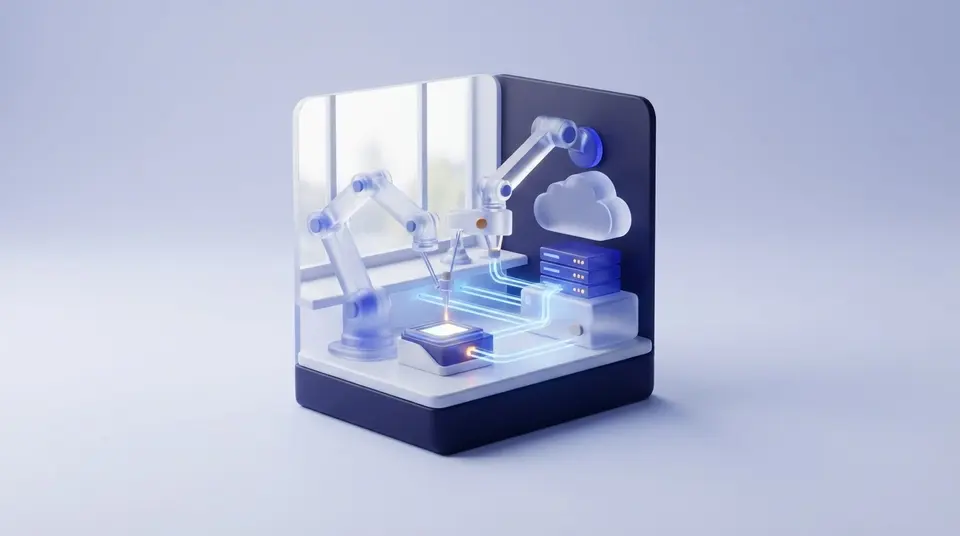
Autonomous AI agents typically live in massive cloud data centres, but a new partnership between Ambarella and Liquid AI aims to change that. As Vera notes, the companies have partnered to push device-native agentic AI directly onto local edge hardware.
Liquid AI's foundation models, starting with the LFM3 family, are now available inside Ambarella's Cooper Model Garden in their Developer Zone. Initial development is focused on deploying these models directly onto Ambarella's CVflow architecture.
Supported Silicon and Physical Applications
Engineering teams reviewing hardware spec sheets will find support planned across several components. This includes the CV72, CV75, and N1-655 system-on-chips, as well as the X7 AI accelerator.
Historically, edge AI on physical systems like intelligent security platforms and smart infrastructure mostly meant basic image recognition before pinging the cloud. The goal of this collaboration is to upgrade those systems to interpret multimodal data and reason locally, allowing agents to process information, determine actions, and verify outcomes without constant cloud connectivity.
Hardware Economics and Reality Checks
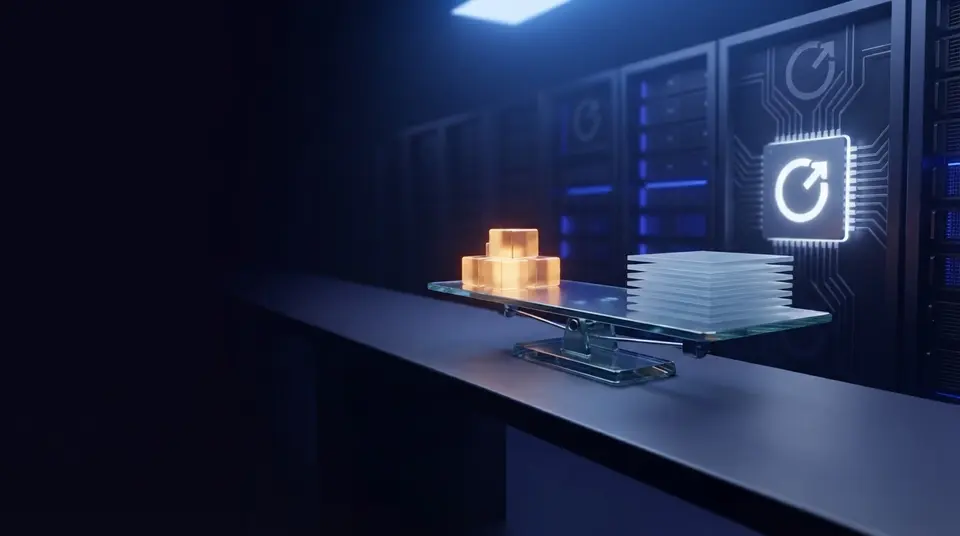
Beyond local autonomy, the partnership addresses hardware economics, specifically the memory bottleneck caused by constrained DRAM supply and rising memory costs. By optimising the LFM3 models to run tightly on edge silicon, the companies aim to shrink compute and memory footprints.
However, the episode notes a few caveats for engineering teams. There are no independent benchmarks yet proving exact compute or memory savings, release dates for the planned chips are not provided, and there are no public pricing details or named enterprise customers yet.
Key takeaways
- Explore Ambarella's Cooper Model Garden to begin testing foundation models locally.
- Evaluate where pairing efficient foundation models with edge silicon can cut cloud latency and boost data privacy.
- Run your own tests to measure memory footprints against rising DRAM costs rather than relying solely on company announcements.
Questions this episode answers
Which foundation models are included in the Ambarella and Liquid AI partnership?
Initial development is focused on deploying Liquid AI's LFM3 family of foundation models.
Which Ambarella chips are planned to support Liquid AI's models?
Support is planned across the CV72, CV75, and N1-655 system-on-chips, plus the X7 AI accelerator.
This article is written from the episode itself (its transcript and the day’s topic brief) and reviewed by TheCircle.ai. The episode cites its original source.
Transcript
Read the full transcript (620 words)
Vera: When we talk about autonomous AI agents, we almost always picture them living in massive cloud data centres.
Sherif: Right, burning through server racks. Are you telling me they're leaving the cloud?
Vera: Exactly. According to New Electronics, Ambarella and Liquid AI have partnered to push device-native agentic AI directly onto local edge hardware.
Sherif: Okay, let's get concrete. What is the actual hardware and software pairing here?
Vera: Liquid AI's foundation models, starting with the LFM3 family, are now available inside Ambarella's Cooper Model Garden in their Developer Zone.
Sherif: Wait, and developers can run those models natively on Ambarella silicon today?
Vera: Yes, initial development focuses on deploying LFM3 directly onto Ambarella's CVflow architecture.
Sherif: What about specific chips? If my hardware team is looking at a spec sheet, which processors are supported?
Vera: They have support planned across the CV72, CV75, and N1-655 system-on-chips, plus the X7 AI accelerator.
Sherif: Fair enough. So we have the chips and the models. What does this actually change on the ground for physical systems?
Vera: Think about intelligent security platforms or smart infrastructure. Historically, edge AI on those devices mostly meant basic image recognition.
Sherif: Spotting a person or reading a license plate, then pinging the cloud.
Vera: Precisely. Now, the goal is to upgrade those systems to interpret multimodal data and reason about their environment locally.
Sherif: And what makes it truly agentic rather than just a smarter camera?
Vera: Liquid AI says their software lets autonomous agents continuously process information, reason, determine actions, and verify outcomes in real time, all without constant cloud connectivity.
Sherif: That local autonomy is great, Vera, but what really jumped out at me is the hardware economics behind this move.
Vera: Spot on. You're looking at the memory bottleneck.
Sherif: One hundred percent. Every hardware leader I talk to is dealing with constrained DRAM supply and rising memory costs.
Vera: It is squeezing budgets everywhere. And both companies explicitly pointed to that as a driver for this partnership.
Sherif: Right. By optimising the LFM3 models to run tightly on edge silicon, they aim to shrink both compute and memory footprints.
Vera: As Liquid AI's Head of Business, Erika Wool, put it, intelligence has to operate within the power, memory, and latency constraints of real-world devices.
Sherif: Which sounds fantastic in a press release. Effortless edge agents using less DRAM. But let's do our Monday morning reality check.
Vera: Here come the caveats. What's missing for an engineering team ready to buy?
Sherif: Numbers. Everything we have right now comes from company announcements and executive statements.
Vera: True. There are no independent benchmarks yet proving the exact compute or memory savings of LFM3 on CVflow.
Sherif: Exactly. Not a single percentage or gigabyte figure. Plus, for those planned chips like the CV72, CV75, N1-655, and X7, we don't have release dates.
Vera: And no public pricing details or named enterprise customers yet either.
Sherif: So if you're an operator, you can explore the Cooper Model Garden today, but you'll need to run your own tests to see what the memory footprint actually looks like.
Vera: Still, the directional shift is clear. As Ambarella's Customer Growth Officer, Muneyb Minhazuddin, noted, intelligence is moving beyond centralised data centres into physical devices.
Sherif: 100%. And that's the one thing to remember as we wrap up. As you plan your agentic AI roadmap, don't assume every agent requires a cloud data centre.
Vera: Start evaluating where pairing efficient foundation models with specialised edge silicon can cut cloud latency, boost data privacy, and protect your hardware budget from rising DRAM costs.
Sherif: Test it on your own workloads, measure the memory yourself, and we'll see you next time.