Listen to the episode
3:44 · MP3 · Transcript
Made with AI voices (Vera, Sherif). Sherif's voice is an AI clone, used with his approval. Script researched and written with AI and reviewed by TheCircle.ai.
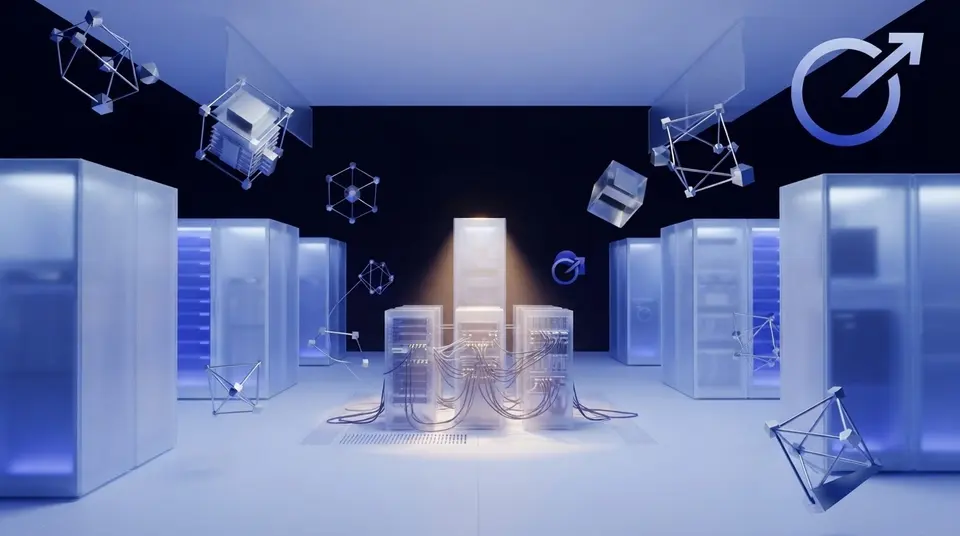
Nvidia and Japan are building a national AI factory for physical AI, turning sovereign AI into concrete infrastructure.
Sovereign AI Becomes Concrete Infrastructure
Nvidia and Japan are launching a national Verubin AI factory focused on physical AI, marking a major infrastructure signal for the industry. The episode notes that Notra will build an AI factory in Japan utilizing 13,750 Vera CPUs and 27,500 Rubin GPUs.
The project will deliver 140 megawatt of data center capacity. Vera argues that this development represents sovereign AI moving beyond a mere policy theme into concrete infrastructure.
The Rise of Physical AI and Industrial Systems
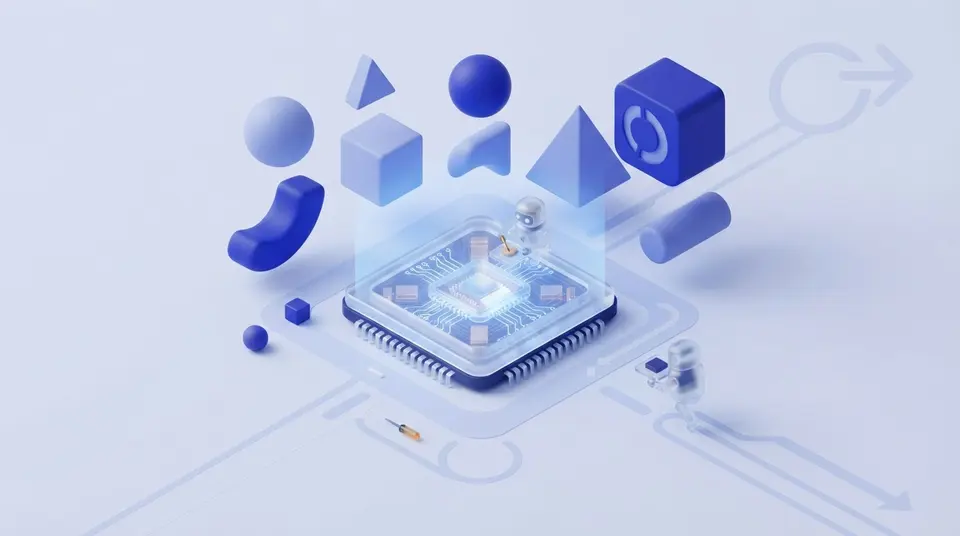
Physical AI encompasses robotics, digital twins, manufacturing, logistics, healthcare, telecommunications, and systems interacting with the real world. Rather than buying compute solely for chatbots, Japan is building industrial capability.
Sherif and Vera observe that the AI race is shifting from model labs to national industrial systems, making compute an essential component of industrial strategy.
The Full Stack and Enterprise Infrastructure
Vera highlights that the strategic product is the full stack, which includes Vera CPUs, Ruben GPUs, DSX systems, SpectrumX networking, software, reference architectures, and the supporting ecosystem.
For enterprises in manufacturing, energy, healthcare, logistics, and telecom, infrastructure planning is becoming increasingly physical and local, tying AI strategy directly to data center power, cooling, and capital planning.
Key takeaways
- Monitor whether the Japan model becomes a repeatable sovereign AI factory template for other governments.
- Factor power, cooling, land, and networking constraints into long-term enterprise AI planning.
- Recognize that physical AI agents require robust simulation, perception, and low-latency inference rather than just language models.
- Account for the broader compute stack, including networking, software, and reference architectures.
Questions this episode answers
What is the hardware capacity of the new AI factory in Japan?
The facility will include 13,750 Vera CPUs, 27,500 Rubin GPUs, and deliver 140 megawatt of data center capacity.
What does physical AI include?
Physical AI includes robotics, digital twins, manufacturing, logistics, healthcare, telecommunications, and real-world interactive systems.
This article is written from the episode itself (its transcript and the day’s topic brief) and reviewed by TheCircle.ai.
Transcript
Read the full transcript (541 words)
Sherif: Our second AI tech story is Nvidia and Japan launching a national Verubin AI factory for physical AI.
Vera: This is a major infrastructure signal. Nvidia says Notra will build an AI factory in Japan with 13,750 Vera CPUs and 27,500 Rubin GPUs, delivering 140 megawatt of data center capacity.
Sherif: That is not a normal chip announcement.
Vera: No. This is sovereign AI becoming concrete infrastructure. For the last two years, sovereign AI sounded like a policy theme. Countries want local AI capacity, local models, and control over strategic compute. This announcement turns that into a named national AI factory.
Sherif: And the focus is physical AI.
Vera: Which is very important. Physical AI means robotics, digital twins, manufacturing, logistics, healthcare, telecommunications, and systems that interact with the real world. Japan is not just buying compute for chatbots. It is building compute for industrial capability.
Sherif: So the AI race is moving from model labs to national industrial systems.
Vera: Exactly. The compute layer is becoming industrial strategy. If a country wants leadership in robotics, advanced manufacturing, and autonomous systems, it needs compute, networking, data pipelines, simulation environments, and models that understand the physical world. Nvidia benefits because it is not selling just GPUs. It is selling the AI factory blueprint.
Vera: That is the key. The strategic product is the full stack: Vera CPUs, Ruben GPUs, DSX systems, SpectrumX networking, software, reference architectures, and the ecosystem around them. This is infrastructure as a national capability.
Sherif: What does this mean for enterprises?
Vera: It signals that AI infrastructure planning will become more physical and more local. Large enterprises, especially in manufacturing, energy, healthcare, logistics, and telecom, will care about where compute runs, how it connects to operational data, how much power it consumes, and whether it supports real-time simulation and robotics.
Sherif: It also connects to power and cooling.
Vera: Completely. 140 megawatt is not a software footnote. It is a power, cooling, land, networking, and capital planning issue. AI strategy is now tied to data center strategy.
Sherif: That connects to our previous thinking about data center cooling.
Vera: It does. The more AI moves toward national infrastructure, physical AI, and sovereign deployments, the more valuable the surrounding ecosystem becomes: cooling, power management, optical networking, rack design, operations, security, and compliance.
Sherif: What should we watch next?
Vera: Watch whether this becomes a repeatable country template. If Nvidia can turn the Japan model into a sovereign AI factory pattern for other governments and industrial alliances, then the market is bigger than cloud GPU rentals. It becomes national AI infrastructure.
Sherif: And for AI agents?
Vera: The connection is that physical AI agents need much more than a language model. They need simulation, perception, planning, robotics, digital twin environments, and low latency inference. The compute stack has to support agents that act in the world, not just agents that answer questions.
Sherif: So the headline is sovereign AI is moving from policy language to named AI factory deployments.
Vera: Yes, and the deeper point is that accelerated compute is no longer just about who has the fastest chip. It is about who can assemble compute, networking, software, power, and national industrial priorities into a working AI production system.