Listen to the episode
3:56 · MP3 · Transcript
Made with AI voices (Sherif, Vera). Sherif's voice is an AI clone, used with his approval. Script researched and written with AI and reviewed by TheCircle.ai.
An analysis of xAI's Grok Imagine 1.5 and what single-image-to-video tools mean for brand creative workflows, pricing, and testing.
The Release and the Production Math
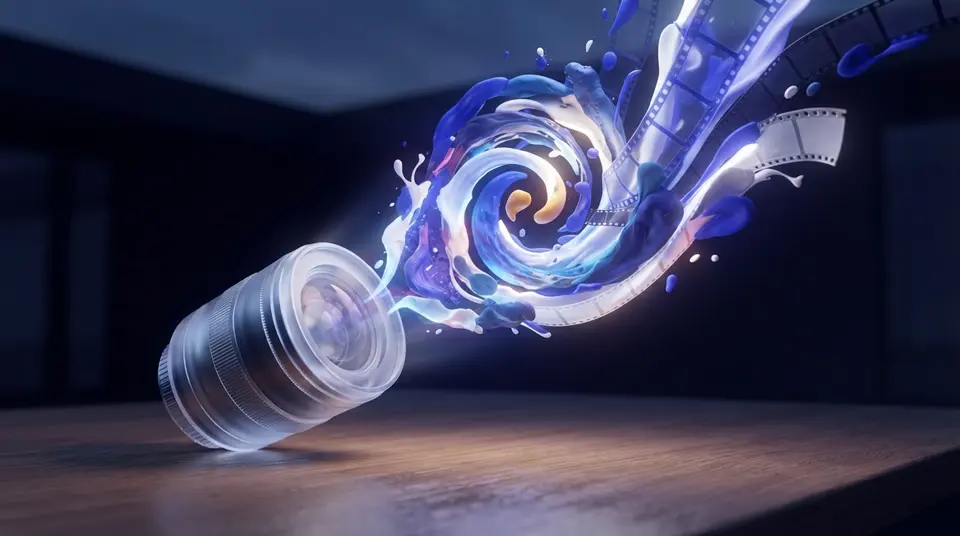
The episode examines xAI’s Grok Imagine 1.5 through a marketing lens, following a June fifth breakdown published by Digital Applied. Shipped as an API preview on June third, the model operates as a single-image-to-video system capable of taking a still frame—such as a product shot or brand image—and animating it into a short video.
As Sherif notes, "the production math is the hook." The reported pricing is in cents per second, with audio bundled directly into the rate.
Impact on Workflows and Channels
Vera points out that marketers buy workflows rather than model benchmarks. Because brands already possess product photos, e-commerce images, and campaign key visuals, image-to-video allows static assets to be quickly turned into short, sound-on clips.
This development affects paid social first, alongside retail media, creator whitelisting, e-commerce merchandising, email, landing pages, and sales enablement.
Quality, Trust, and Strategic Testing
While AI video reduces production costs, Vera cautions that "cheap motion is not the same as brand building creative." The focus should be on turning approved brand assets into controlled motion variations, such as product in-use loops, seasonal variants, and localized intros.
Because the technology is currently an API preview, the episode recommends treating it as a testing layer rather than building an immediate production dependency. Outputs must be reviewed for product accuracy, claims, likeness, and platform policies to avoid trust issues.
Key takeaways
- Audit existing still assets sitting unused in the brand library.
- Select one campaign where video production has been a bottleneck for a controlled test.
- Generate three to five motion variations from approved stills and compare them against static creative.
- Evaluate AI video tools based on workflow fit, brand consistency, and measurement capabilities.
Questions this episode answers
What is Grok Imagine 1.5?
Grok Imagine 1.5 is a single-image-to-video model from xAI that shipped as an API preview on June third, capable of turning still frames into short videos with camera movement and audio included.
What are the pricing details reported for Grok Imagine 1.5?
The reported pricing is cents per second, with audio bundled into the rate.
This article is written from the episode itself (its transcript and the day’s topic brief) and reviewed by TheCircle.ai.
Transcript
Read the full transcript (608 words)
Sherif: Our third brief is about AI media generation. But through the marketing lens, XAI's Grok imagine 1.5 and what image-to-video means for brand creative.
Vera: Digital Applied published a useful marketing focused breakdown on June 5th. The key point: Grok imagine 1.5 shipped as an API preview on June 3rd as a single image to video model. It can take a still frame like a product shot or brand image and animate it into a short video with camera movement and audio included.
Sherif: And the production math is the hook. The reported pricing is cents per second with audio bundled into the rate.
Vera: Yes. That matters because marketers do not buy model benchmarks. They buy workflows. A brand already has product photos, campaign key visuals, e-commerce images, founder photos, store shots, and creator stills. If those can become short sound-on-clips quickly, then the gap between static creative and video testing gets much smaller.
Sherif: This affects paid social first.
Vera: Right. Paid social, retail media, creator whitelisting, e-commerce merchandising, email, landing pages, and even sales enablement. Anywhere short motion assets improve attention or explanation, image-to-video can become a practical layer in the content system.
Sherif: But this is where we need to be careful. AI video can make content cheaper, but cheap motion is not the same as brand building creative.
Vera: Exactly. The value is not make random videos. The value is turning existing approved assets into controlled motion variations. Think product in-use loops, seasonal variants, simple before and after demonstrations, localized intros, or quick social hooks. The more the workflow starts from approved brand assets, the easier it is to preserve consistency.
Sherif: And because this is an API preview, it is not something every brand should immediately build a production dependency around.
Vera: Correct. Treated as a testing layer. The model, pricing, availability, and quality ceilings can change. Also, the output needs review for product accuracy, claims, likeness, sound, disclosure, and platform policies. A small artifact in an AI generated product video can become a trust problem if it misrepresents the product.
Sherif: The bigger trend is that image generation and video generation are becoming part of the normal MarTech stack, not a separate novelty category.
Vera: That is the point. Midjourney, Runway, Kling, Sora, VIO, and now Grok Imagine are all competing for a role in campaign production. But marketers should evaluate them by workflow fit. Can it use our existing assets? Can it follow brand guidelines? Can it be approved quickly? Can it generate variations we can measure? Can it protect trust?
Sherif: For agencies, this opens new service models.
Vera: Definitely. Agencies can package rapid motion testing, AI assisted storyboarding, variant systems, creator asset expansion and localized video kits, but they need to anchor those services in strategy and performance learning. Otherwise, clients will see it as a commodity.
Sherif: What should a CMO do this week?
Vera: Audit the still assets already sitting unused in the brand library. Pick one campaign where video is valuable, but production has been a bottleneck. Create a controlled test, three to five motion variations from approved stills, human reviewed with clear performance hypotheses, then compare against static creative and conventional short form edits.
Sherif: And the takeaway?
Vera: AI image to video is becoming a practical marketing tool, not just a demo. The opportunity is faster creative learning. The risk is careless synthetic content that weakens trust. The winners will use these tools to extend brand assets intelligently, not flood channels with motion for motion's sake.
Sherif: So again, marketing should be intentional.
Vera: Always. Speed is useful, judgment is the advantage.