Listen to the episode
4:29 · MP3 · Transcript
Made with AI voices (Sherif, Vera). Sherif's voice is an AI clone, used with his approval. Script researched and written with AI and reviewed by TheCircle.ai.
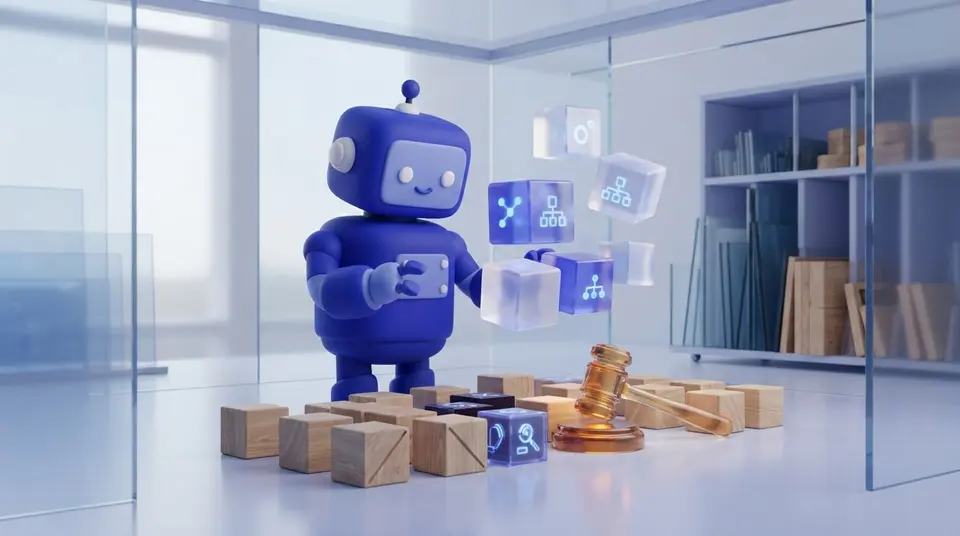
Google introduces an AI conversation layer inside YouTube ads, shifting video from a static asset into a guided selling surface.
The Google September Demand Gen Update
Google has announced its September Demand Gen drop, bringing several new features across its advertising ecosystem. Most notably, Google is putting a business agent next to YouTube ads with product feeds. This allows viewers to ask questions about a product or brand directly without leaving the video context.
In addition to YouTube business agents, the update introduces one-click experiences on Shorts and Gmail image ads, alongside affiliate location extensions in Google Maps. According to Google internal data from February 2026, advertisers adding Gmail to Demand Gen campaigns saw image creatives achieve a 40 percent conversion increase at the same ROI. Vera notes that while this performance number is useful, it is vendor-supplied and directional rather than independent proof.
From Static Ads to Guided Selling Surfaces
Vera argues that this update points to a bigger shift: "Google is not only using AI to make ads, it is adding an AI conversation layer inside the ad experience itself." For marketers, this means the creative unit is starting to behave less like a static asset and more like a guided selling surface.
A video ad is no longer just a thirty-second story, but rather a doorway into structured answers. Brands must prepare for the questions customers may ask inside the ad environment regarding sizing, ingredients, availability, pricing, warranties, local stores, returns, compatibility, use cases, and comparison points.
Brand Experience and Product Data Quality
Sherif notes that product data quality now directly impacts brand experience. If an agent answers from a messy feed, stale product descriptions, inconsistent attributes, or thin landing pages, the conversation will feel weak. Consequently, CMOs cannot leave this solely to media buying; merchandising, content, CRM, e-commerce, and analytics teams must all align.
Furthermore, agency deliverables are evolving. Agencies need to build question libraries, feed audits, answer governance, conversational measurement plans, and creative variants designed for the agent layer. The best agency teams will focus on what the customer needs to know before they click, rather than just which headline grabs attention.
Measurement, Guardrails, and Strategy
Because conversations can happen before a click, some value may not register as a normal session. Marketers should track campaign-level lift, assisted conversions, query themes, landing page click quality, and post-view behavior, while accepting that conversational ad experiences compress consideration.
Brand safety is another critical consideration. AI-assisted answers in ad contexts require strict guardrails, including defined claims, necessary disclaimers, topics to avoid, escalation paths, and region-specific restrictions, particularly for regulated sectors like health, finance, food, beauty, and children's products. Ultimately, the strategic move is to make the brand machine-readable, answer-ready, and locally actionable.
Key takeaways
- Audit your Merchant Center feed, landing page, FAQ content, review snippets, inventory status, and store availability for a high-intent product set.
- Map the top 20 questions a buyer might ask during a YouTube viewing session and ensure your content and feed data clearly answer them.
- Align merchandising, content, CRM, e-commerce, and analytics teams alongside media buying to support conversational ad layers.
- Establish strict guardrails for AI-assisted answers, including allowed claims, disclaimers, and topic restrictions, especially for regulated categories.
Questions this episode answers
What is included in Google's September Demand Gen drop?
The update features a business agent for YouTube ads with product feeds, one-click experiences on Shorts and Gmail image ads, and affiliate location extensions in Google Maps.
What performance increase did Google report for Gmail image ads?
Based on Google internal data from February 2026, advertisers adding Gmail to Demand Gen campaigns saw image creatives achieve a 40 percent conversion increase at the same ROI.
This article is written from the episode itself (its transcript and the day’s topic brief) and reviewed by TheCircle.ai.
Transcript
Read the full transcript (704 words)
Sherif: First up today, Google September Demand Gen drop. The headline is that Google is putting a business agent next to YouTube ads with product feeds. So, a viewer can ask questions about a product or brand without leaving the video content.
Vera: This is one of those updates that sounds tactical, but it points to a bigger shift. Google is not only using AI to make ads, it is adding an AI conversation layer inside the ad experience itself. For marketers, that means the creative unit is starting to behave less like a static asset and more like a guided selling surface.
Sherif: Let's separate the announcement from the implication. What did Google actually say?
Vera: Google said Demand Gen is getting business agent for YouTube ads, one-click experiences on Shorts and Gmail image ads, and affiliate location extensions in Google Maps. The business agent part lets viewers engage with conversational AI alongside video ads with product feeds. Google also says advertisers adding Gmail to Demand Gen campaigns saw image creatives achieve a 40% conversion increase at the same ROI, based on Google internal data from February 2026.
Sherif: So, we should treat the performance number as useful, but vendor supplied.
Vera: Exactly. It is directional, not independent proof. The more durable signal is product design. Google is connecting video attention, product feed data, landing page action, Gmail, Shorts, and Maps into one more compressed journey.
Sherif: For CMOs, this changes what creative means.
Vera: Yes. A video ad is no longer just a 30-second story. It becomes a doorway into structured answers. The brand now has to prepare for the questions a customer may ask inside the ad environment. sizing, ingredients, availability, pricing, warranties, local stores, returns, compatibility, use cases, and comparison points.
Sherif: That means product data quality becomes brand experience.
Vera: Perfectly said. If the agent answers from a messy feed, stale product descriptions, inconsistent attributes or thin landing pages, the conversation will feel weak. The CMO cannot leave this only to media buying. Merchandising, content, CRM, e-commerce, and analytics all have to line up.
Sherif: I also think this matters for agency. The deliverable is not just campaign assets anymore.
Vera: Agencies need to build question libraries, feed audits, answer governance, conversational measurement plans and creative variants designed for the agent layer. The best agency teams will ask, what does the customer need to know before they click? Not only, what headline gets attention?
Sherif: What should brands do this week?
Vera: Start with one high-intent product set. Audit the Merchant Center feed, landing page, FAQ content, review snippets, inventory status, and store availability. Then, map the top 20 questions a buyer might ask during a YouTube viewing session. If the answer is not clear in your own content or feed data, fix that before scaling spend.
Sherif: Measurement is tricky here. If the conversation happens before the click, some value might never look like a normal session.
Vera: Right. Marketers should track campaign level lift, assisted conversions, query themes, landing page click quality, and post-view behavior, but they should also accept that conversational ad experiences compress consideration. The old click is not the only signal of influence.
Sherif: Is there a brand safety angle?
Vera: Definitely. Any AI assisted answer in an ad context needs guard rails. Brands should define claims that can be made, claims that require disclaimers, topics the agent should avoid, escalation paths and region specific restrictions. This is especially important for health, finance, food, beauty, children's products and anything regulated.
Sherif: So the strategic move is not to chase every new Google surface.
Vera: The strategic move is to make the brand machine readable, answer ready and locally actionable. Demand Gen is becoming a bridge between attention and transaction. If a brand's data is clean and its answers are trustworthy, this can reduce friction. If not, AI just exposes the operational gaps faster.
Sherif: My takeaway: YouTube advertising is moving from persuasion alone to persuasion plus immediate conversation.
Vera: And that means marketing teams need to brief campaigns with a new question. What should the ad know? The winners will not just have better videos, they will have better structured truth behind the videos.