Listen to the episode
3:15 · MP3 · Transcript
Made with AI voices (Sherif, Vera). Sherif's voice is an AI clone, used with his approval. Script researched and written with AI and reviewed by TheCircle.ai.
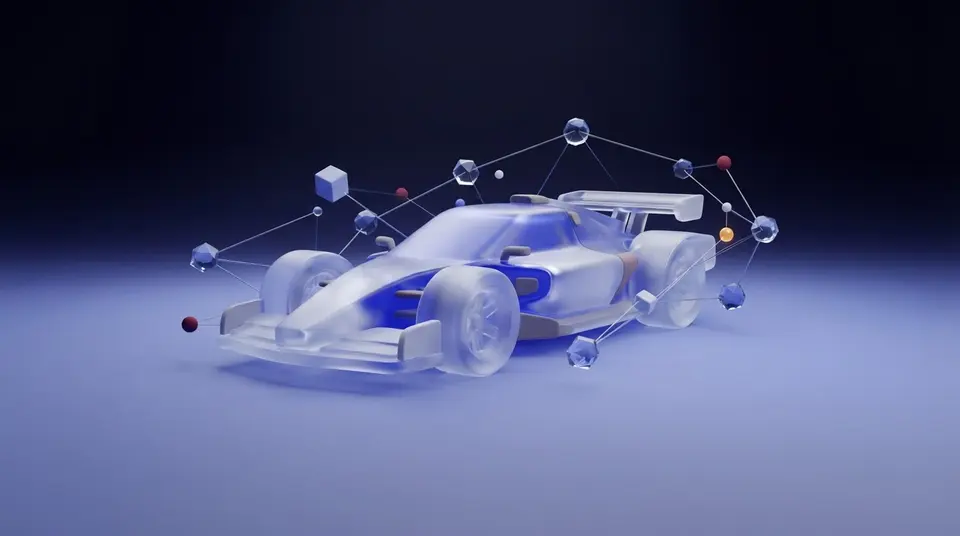
Ferrari is leveraging IBM's technology to move past basic email personalization and engineer loyalty at scale across the entire fan journey.
Loyalty Engineering at Scale
Ferrari is using IBM's AI to create what the episode calls F1 superfans. Vera describes this approach as loyalty engineering at scale, moving far beyond basic content personalization to design behavior across the whole fan journey.
While most brands still treat personalization as inserting a first name into an email subject line, Ferrari analyzes fan intent signals such as race weekends, driver affinity, clip completion, and merchandise interest to orchestrate tailored experiences.
Strategic Building Blocks and the Fandom Funnel
Vera outlines four strategic building blocks for marketers: identity resolution to unify fan data, intent modeling to classify funnel stages, dynamic experience delivery, and a measurement loop tracking retention, lifetime value, and referral velocity.
The fandom funnel consists of four distinct stages: casual viewer, recurring engager, committed fan, and superfan advocate. Each stage requires specific creative approaches and offers, ranging from low-friction narrative hooks for casual viewers to status mechanics and exclusive rooms for superfans.
Risks and Practical Implementation
Overautomation and creepiness present major risks if brands shift from relevant messaging to surveillance, which can damage premium brand perception. Vera emphasizes the need for a trust architecture featuring consent by design, preference controls, and transparent value exchange.
For brands without Ferrari's resources, Vera advises starting with a single use case like fan reactivation, predicting who might churn in 30 days, and triggering channel-specific winback creative instead of launching multiple models at once.
Key takeaways
- Move beyond basic personalization to sequence brand storytelling using AI as the conductor.
- Define clear fandom funnel stages from casual viewer to superfan advocate, tailoring creative to each level.
- Implement a trust architecture with consent by design and clear preference controls to prevent overautomation creepiness.
- Focus on practical metrics like return visit rate, content depth, assisted conversion, and fan referral rate rather than vanity metrics.
- Start mid-market implementations with a single high-value use case, such as predicting 30-day churn for fan reactivation.
Questions this episode answers
What are the stages of the fandom funnel?
The stages are casual viewer, recurring engager, committed fan, and superfan advocate.
What metrics matter most for tracking superfan creation?
Key metrics include return visit rate, content depth, assisted conversion, and fan referral rate.
This article is written from the episode itself (its transcript and the day’s topic brief) and reviewed by TheCircle.ai.
Transcript
Read the full transcript (504 words)
Sherif: Welcome back. Today we're unpacking a story that sounds niche, but is actually a master class in modern fan marketing. Ferrari is using IBM's AI to create what they call F1 super fans. Vera, first reaction.
Vera: My reaction is simple. This is loyalty engineering at scale. Not just content personalization, but behavior design across the whole fan journey.
Sherif: Exactly. Most brands still think personalization means hi first name in an email subject line.
Vera: Right. And Ferrari is showing the next level. If the system can understand fan intent signals, race weekends, driver affinity, clip completion, merch interest, it can orchestrate experiences that feel handcrafted.
Sherif: Let's break that down for marketers. What are the strategic building blocks?
Vera: Four blocks. First, identity resolution. Unify fan data from app, social, CRM, and commerce. Second, intent modeling. Classify where someone is in the fandom funnel. Third, dynamic experience delivery. Right message, right channel, right timing. Fourth, measurement loop, retention lift, LTV lift, and referral velocity.
Sherif: I love fandom funnel. What are the stages?
Vera: Casual viewer, recurring engager, committed fan, then super fan advocate. Each stage needs different creative and offers. Casual viewers need low friction narrative hooks. Committed fans need insider access. Super fans need status mechanics, early drops, exclusive rooms, co-creation opportunities.
Sherif: That's the big takeaway. AI doesn't replace brand storytelling, it sequences it.
Vera: Exactly. Think of AI as the conductor, not the orchestra. Humans still write the emotional score.
Sherif: Let's talk risk. Where can this go wrong?
Vera: Overautomation and creepiness. If brands move too fast from relevant to surveiling, trust collapses. Also, if every touchpoint optimizes clicks, you can damage premium brand perception.
Sherif: So we need a trust architecture.
Vera: Yes. Consent by design, clear preference controls, and transparent value exchange. If you're collecting more signals, you must deliver noticeably better experiences.
Sherif: What would you tell a CMO at a mid-market brand that doesn't have Ferrari resources?
Vera: Start with one use case, fan reactivation. Build a simple model that predicts who is likely to churn in 30 days. Then trigger channel specific winback creative. Don't start with 20 models. Start with one high-value loop.
Sherif: Let's get practical. 30-day sprint plan?
Vera: Week one, define the funnel stages and core KPIs. Week two, clean your first-party data and map events. Week three, launch three-stage adaptive journey in email plus paid social retargeting. Week four, review lift against control and document insights for iteration.
Sherif: And the metrics that matter?
Vera: Return visit rate, content depth, assisted conversion, and fan referral rate. Vanity metrics like impressions won't tell you if super fans are actually being created.
Sherif: Final verdict?
Vera: This is a signal of where marketing is heading, from campaign-centric to relationship-centric. The winners will be brands that operationalize emotion with data without breaking trust.
Sherif: Beautifully said. If you're listening, ask yourself, are we just broadcasting, or are we building a fan system?
Vera: Outcomes over outputs. Build the system.